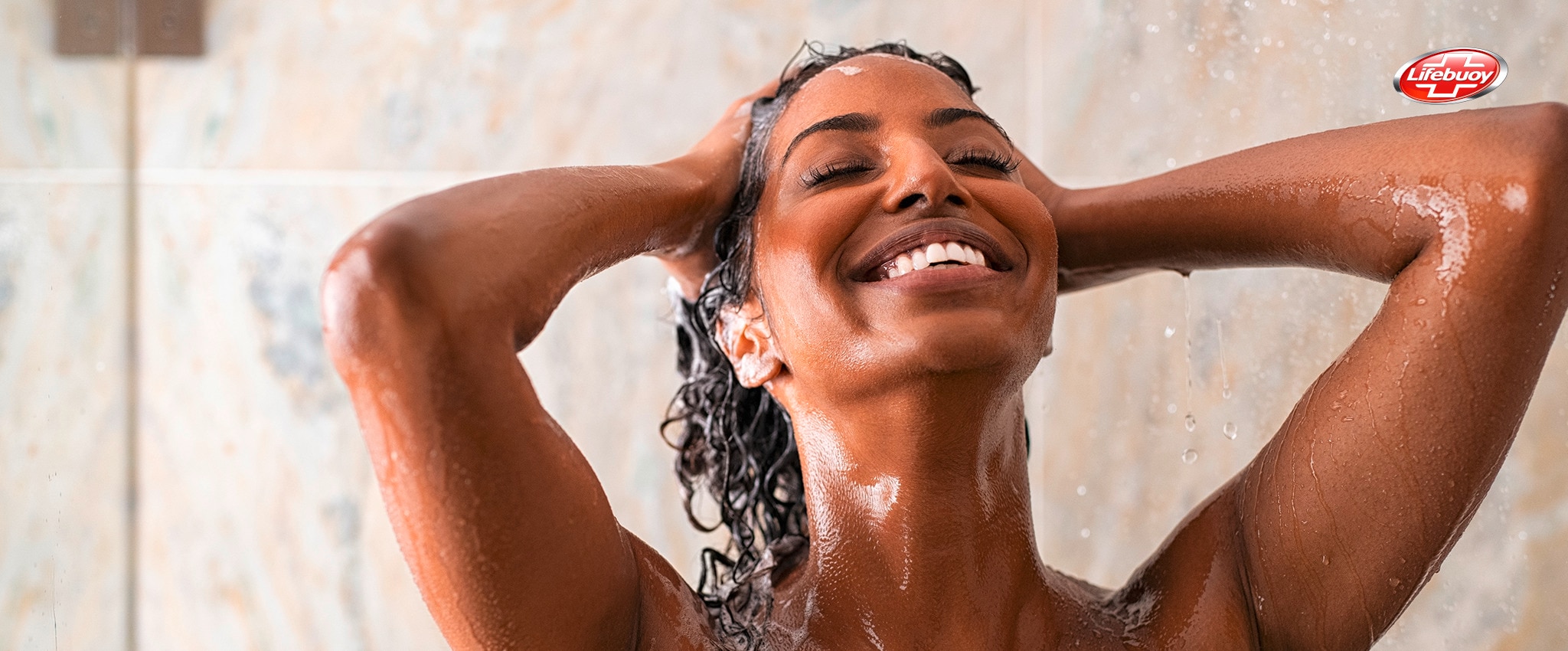
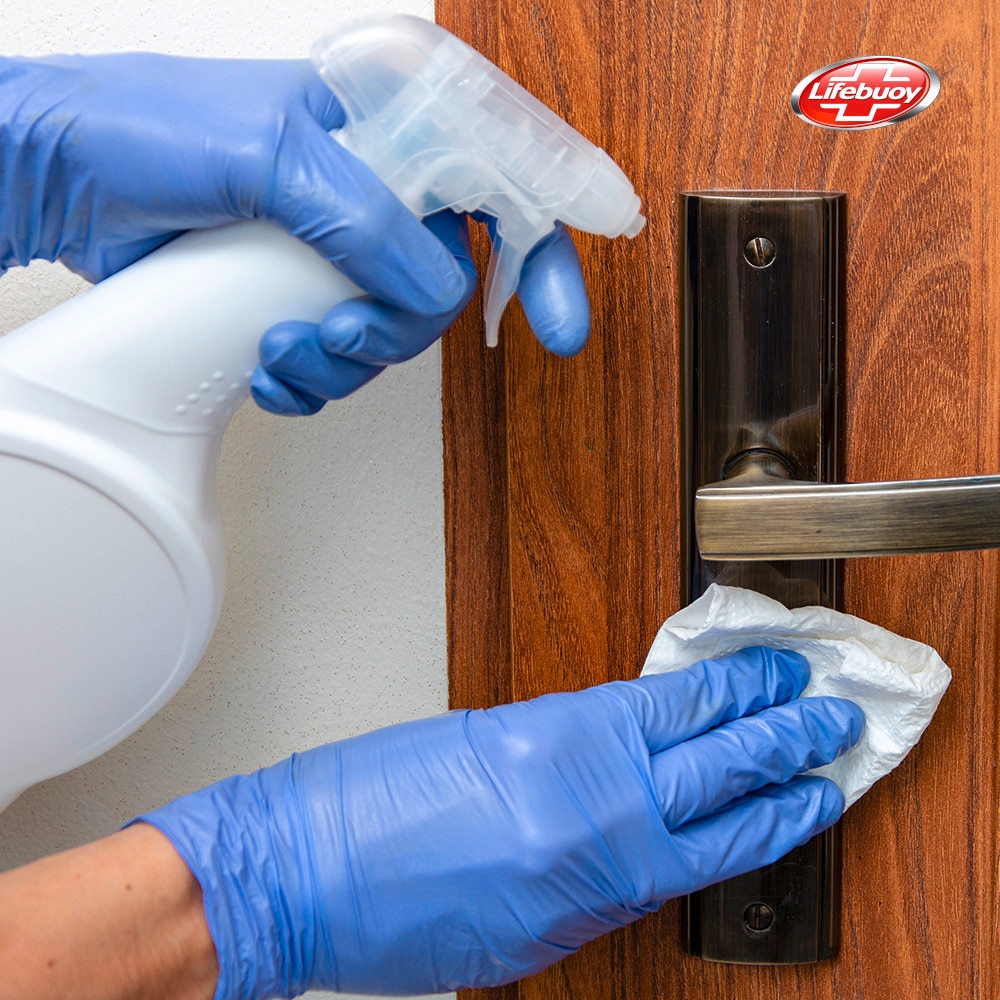
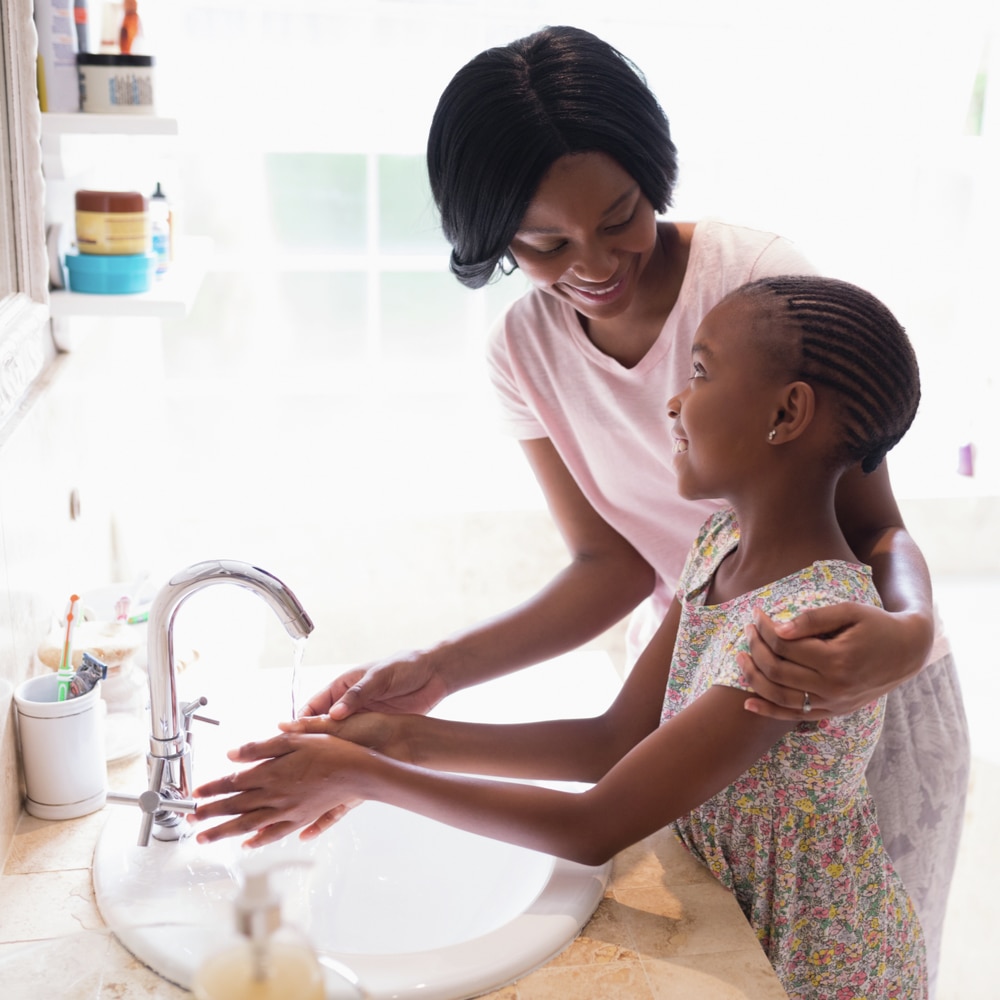
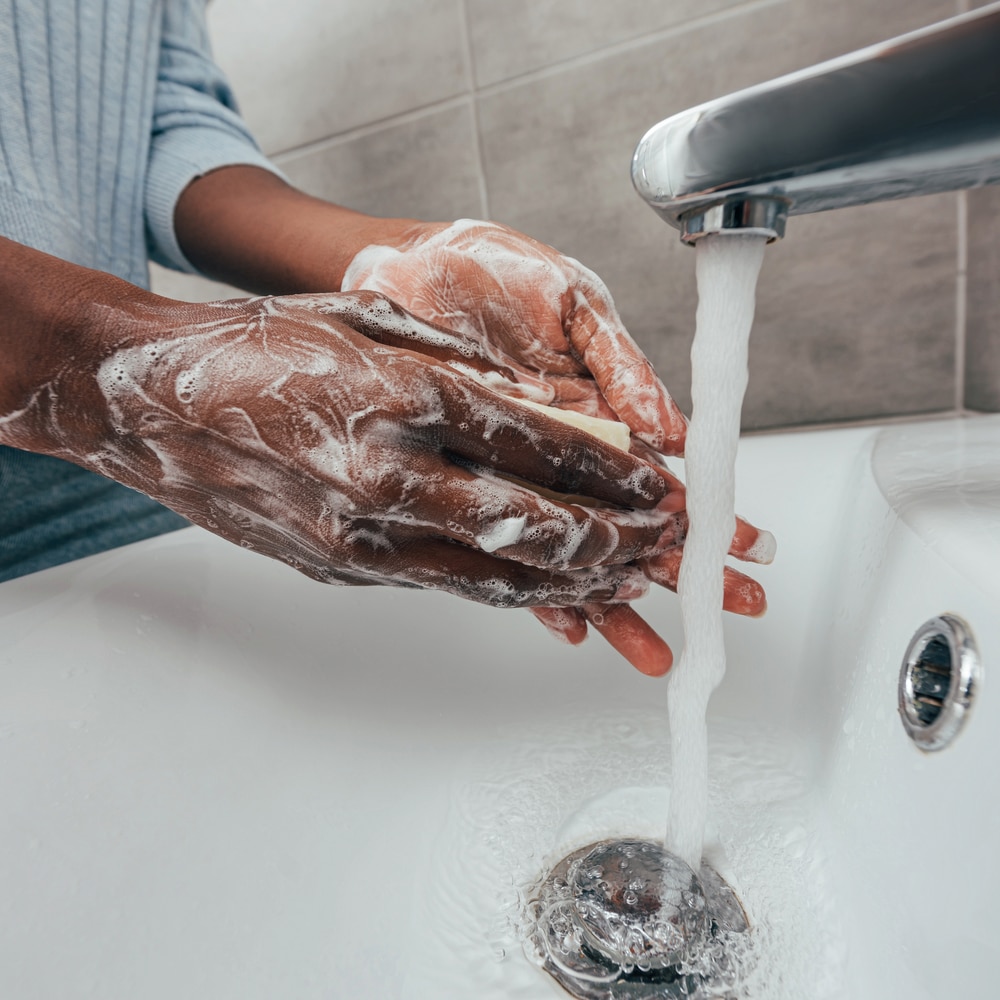
Healthy Habits for Germ Protection. Practicing good personal hygiene is important for helping to keep the body clean and therefore healthy. Personal hygiene is one of the best ways to protect yourself from seasonal germs. Not embracing good hygiene habits can leave your body vulnerable to seasonal germs and infections. Not only is it important for maintaining your physical health, but your mental health too. Adopting these six health habits will go a long way towards ensuring germ protection. 1. Hands. Regular hand washing is one of the best ways to avoid spreading diseases. The Centre for Disease Control and Prevention (CDC) recommends washing your hands: Before, during, and after preparing food Before eating food Before and after looking after anyone who is vomiting or has diarrhoea Before and after treating a cut or wound After going to the toilet After changing nappies or cleaning a child who has used the toilet After blowing your nose, coughing, or sneezing After touching garbage or dirty surfaces or objects After handling animals, pets, or animal -related items, such as food or bedding Lifebuoy has a range of hygiene soap to help keep your hands and body protected from germs. 2. Body. The human body is covered with several million sweat glands. When bacteria breaks down sweat, the process creates body odour. This is why it is important to bath or shower daily. Washing your body will rid you of body odours and prevent any skin irritation, while also removing the bacteria that causes it". 3. Hair. Always keep your clean and fresh. By washing your hair regularly, you remove grime, grease, and pollutants. 4. Nails. Fingernails can harbour dirt and germs, contributing to the spread of bacteria. It is easier for dirt and germs to collect under longer nails, so keeping them short can help reduce the risk of spreading infections. Remember to keep your nail scissors and files sanitized too. 5. Dental hygiene. For a healthy mouth and smile, brush your teeth for at least two minutes twice a day, once before breakfast and once before bed. 6. Sleep, eat, drink. Get plenty of sleep, be physically active, manage your stress, drink plenty of fluids, and eat nutritious food. Around the home. Once your body is clean and healthy, make sure that everything in your home environment is also clean. Make sure that frequently touched objects in your home, such as children’s toys, counter tops, door handles, toilet handles etc. are regularly disinfected. Also ensure that you have a good supply of hygiene soap, tissues, paper towels, alcohol- based sanitizer, and disposable wipes on hand. Teach your children well. Set an example to your children and teach them how to keep themselves clean from an early age. Encouraging children to help clean themselves as soon as they are old enough is a good way to instigate a proper personal hygiene routine. Find out about the healthcare programme at your child’s school or crèche and find out how sick children or staff are separated from others. Make personal hygiene a habit. With daily practice, a new habit can become a regular part of life. Choose one area to focus on and practice until it becomes second nature. Set reminders: Using the notes app on a cell phone can be a great way to avoid forgetting any health tasks. Use rewards: A sticker chart can be a great incentive for children to maintain their personal hygiene. Invest in nice toiletries: Using products that smell good may encourage family members to stick to their personal hygiene routine. Keeping the body clean has positive effects on a person’s social life and their physical and mental health too. A final word on germ protection. Everyday preventive actions, like practicing good hygiene, washing your hands, and getting annual flu vaccinations are actions that all people and communities can take to help slow the spread of illnesses like influenza.