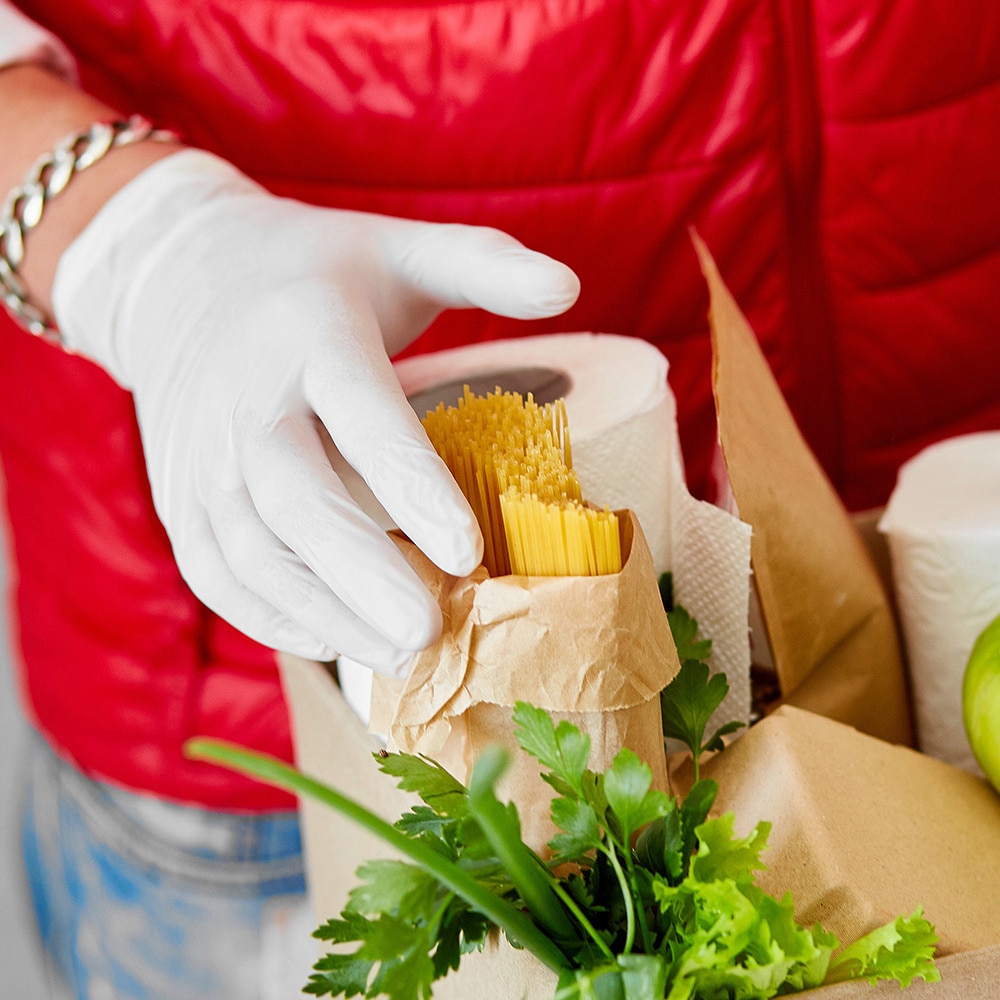
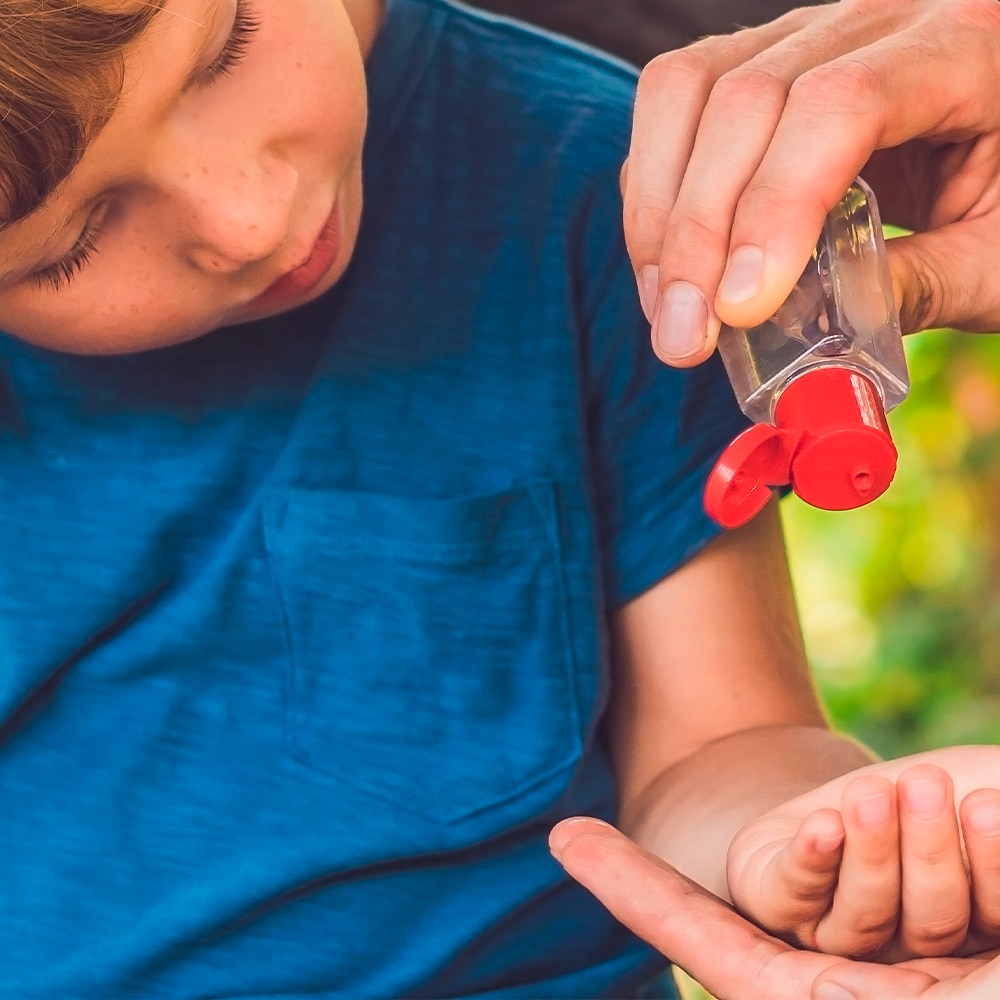
What Are the 4 Food Safety Principles? They say that “safe food today is key to a healthier nation tomorrow”. When it comes to handling food, there are rules and regulations that need to be followed to ensure proper food safety and hygiene. Whether it be in your home or at a restaurant, one bad meal is all it takes to give you food poisoning. Food safety principles were created so that everyone can benefit from better health and safer food. Food hygiene is more than just the act of preparing and handling food with the utmost care and safety; it’s about preventing foodborne diseases. While germs might be naked to the eye, they exist, and have the power to make you very sick. How do you maintain food hygiene? Maintaining food hygiene in the kitchen is key to keeping you and your family safe and healthy. There are some basic kitchen hygiene tips to promote safe food handling. Make sure your hands are impeccably clean before and after handling food. Using a germ protection hand soap that protects against 99.9% of germs like Lifebuoy Total 10 Handwash will keep your hands fresh and clean. Don’t undercook your food; make sure that you cook food properly. Labels are there for a reason. Store your food accordingly to prevent food spoiling. Clean the surfaces/counters as you go to stop the spread of unwanted bacteria. Always follow the golden rule in the kitchen; do not cross contaminate. Different chopping boards have different uses. For example, some colours indicate vegetables and others indicate meat. Leaving food to go off in the fridge can contribute to food poisoning and unwanted bacteria. Don’t forget to clean your kitchen basin with strong cleansers to prevent a grimy washing sink. Clean your pots and pans regularly and don’t let it get to the point where the grease builds up and is a breeding ground for bacteria. Take your trash out so there’s no foul odours or, worse, the risk of maggots. Why is food safety important? Asking why food safety is important is like asking why do we need air to breathe; it’s vital for us to sustain a long and healthy life. There’s a reason why chicken is not eaten raw or why fruits and vegetables are washed before use; it’s to protect us against dangerous illnesses. Food safety and hygiene is important because it protects consumers from food poisoning and other potentially life-threatening illnesses. Food safety affects everyone in the food chain. If one person doesn’t follow the correct food handling procedure, it creates a ripple effect. That’s why everyone plays an important role in food hygiene. What are the 4 basic principles of safe food handling and hygiene? Safe food handling and hygiene starts with four basic principles: cross-contamination, cleaning, cooking and chilling. When you practice these four Cs of food safety, you’re preventing food poisoning, diarrhoea, and other illnesses. Cross contamination: this is when raw products aren’t handled correctly and promote the spread of bacteria. When you cut vegetables and meat on the same board, you’re cross-contaminating the products. Cleaning: cleanliness is the most important C in food safety. Most people don’t wash their hands before or after handling food, which is the first step to safe food handling. Keep germ protection Lifebuoy Total 10 Handwash nearby so that you won’t forget the most crucial step. Cooking: all foods should be cooked properly at a high temperature to eliminate germs. It can be tempting to want to eat raw meat, but it’s not safe or good for your health. Warmed up foods should also be thoroughly re-heated at high temperatures. Chilling: certain types of food need to be stored in the fridge. It would be very harmful to leave meat out in the sun or at room temperature; this can promote pathogenic bacteria. Everyone has the right to safe, healthy and nutritious food. You can ensure this by following the basic steps and principles for safe food handling, including keeping your hands clean. Find out more about Lifebuoy’s germ protection range of soaps, handwash and sanitisers to enhance health and safety in your home.